Showing the Secrets to a Spotless White Stone Backsplash
Knowing how to clean white stone backsplash tile in the kitchen is key to keeping your kitchen looking fresh and luxurious. White stone backsplashes add brightness, but they also highlight every splatter. Proper care ensures they remain a stunning focal point without damage.
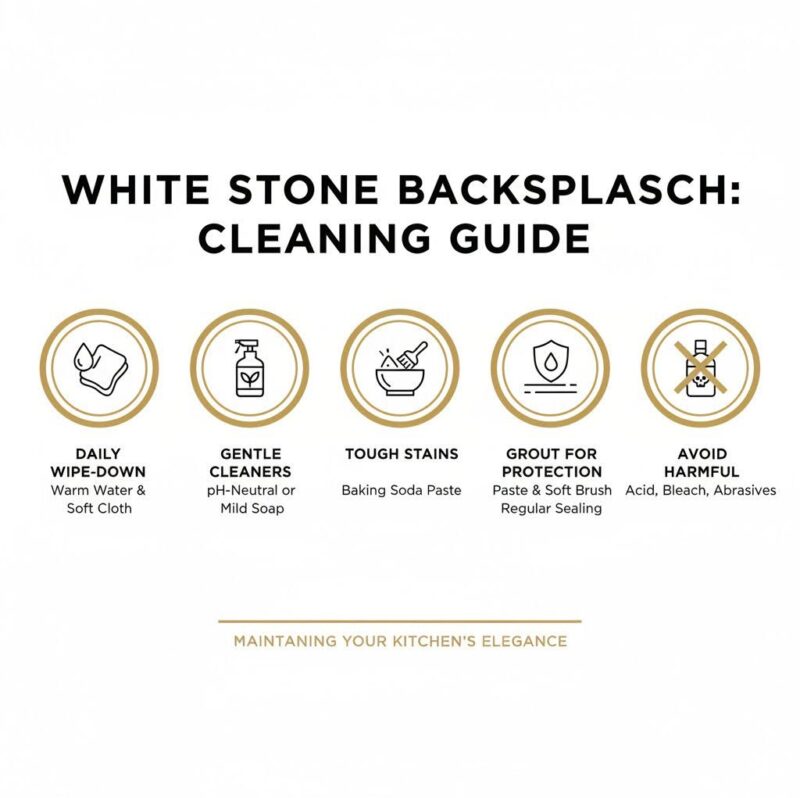
Here’s a quick guide to keeping your white stone backsplash pristine:
-
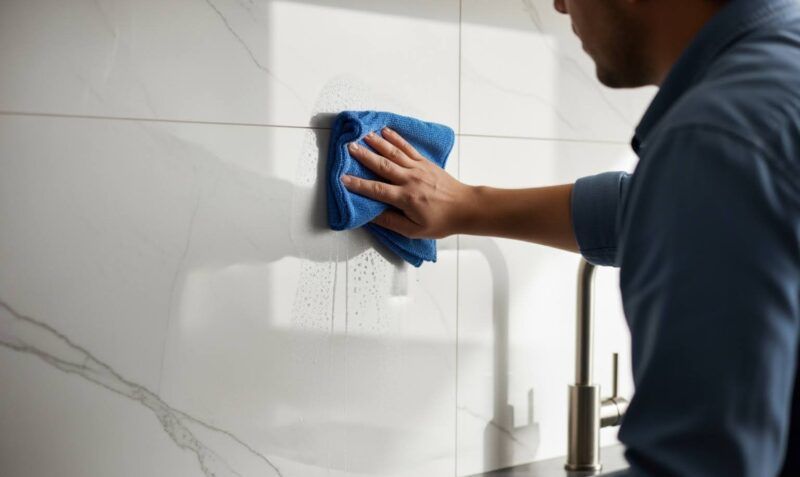
Daily Wipe-Down: Use warm water and a soft microfiber cloth to immediately clean spills and splatters.
-
Gentle Cleaners Only: For routine cleaning, opt for pH-neutral stone cleaners or a mild solution of dish soap and warm water.
-
Tackle Tough Stains: A paste of baking soda and water works wonders for grease. For natural stone, consider a stone-specific poultice.
-
Grout Care: Clean grout lines with a baking soda and water paste and a soft-bristled brush.
-
Seal for Protection: Regularly seal natural stone backsplashes to prevent stains from penetrating.
-
Avoid Harmful Products: Never use acidic cleaners (like vinegar, lemon juice), bleach, ammonia, or abrasive scrubbers on natural stone, as they can cause etching and permanent damage.
A white stone backsplash offers timeless beauty, but maintaining it requires understanding its needs. Different stones, from marble to quartz, react differently to cleaners. This guide covers the best methods to protect and clean your investment.
I’m Agata, owner of Your Bright Home – Cleaning Service in Chicago, IL. With years of experience cleaning delicate stone surfaces and high-end kitchens, I’m passionate about helping homeowners maintain their beautiful spaces without causing damage.

Know Your Stone: The First Step to a Flawless Clean
Not all white stone backsplashes are the same. Before cleaning, you must know your material, as what works for one stone can permanently damage another. Understanding your material is the difference between a sparkling backsplash and an expensive mistake.
The biggest distinction is porous versus non-porous. Natural stones like marble, quartzite, granite, and travertine are porous, meaning they can absorb liquids and stains if not sealed. These stones are also sensitive to acids (vinegar, lemon juice), which can cause etching—dull spots that won’t buff out. In contrast, man-made tiles like porcelain, ceramic, and engineered quartz are generally non-porous, resist stains better, and handle a wider range of cleaners. This difference shapes everything about how to clean white stone backsplash tile in kitchen spaces.
If you’re not sure which type you have, check leftover tiles or do a simple water test in an inconspicuous spot. Water will eventually soak into natural stone, while it will bead up on man-made tiles.
Identifying Your White Stone Backsplash
Let’s get specific about what you might have in your kitchen:
-
Marble: Soft, porous, and highly susceptible to etching from acids. Coffee, wine, and oil can stain if not wiped up quickly. Demands pH-neutral cleaners and regular sealing.
-
Quartzite: Harder and denser than marble, offering better durability while still benefiting from sealing every 1–2 years. Stick with pH-neutral cleaners.
-
Granite: Hard and less porous, more acid-resistant, but still requires sealing and gentle cleaning.
-
Travertine: Porous and acid-sensitive with a pitted surface. Requires regular sealing and pH-neutral cleaners.
-
Engineered Quartz: Non-porous, highly resistant to stains, scratches, and acids. Mild soap and water usually do the trick.
-
Porcelain: Extremely durable, non-porous, and resistant to most messes. Mild detergent and water are sufficient.
-
Ceramic: Slightly more porous than porcelain; glazed ceramic is easy to clean, unglazed requires careful treatment like natural stone.
For unglazed porcelain, clay, and natural stone tiles, skip soap, Windex, and vinegar. These can damage the finish. A stone-safe, pH-neutral cleaner is always your safest bet.
Essential Cleaning Toolkit
Having the right tools makes cleaning much easier. You only need a few key items:
-
A pH-neutral stone cleaner for natural stone, engineered quartz, and unglazed tiles
-
Microfiber cloths for soft, scratch-free wiping
-
A soft-bristled brush for grout lines and textured surfaces
-
A spray bottle to evenly apply cleaning solutions
-
Baking soda for gentle abrasive cleaning of grease and food stains
-
Warm water for most cleaning needs
-
A stone-safe degreaser for greasy stovetop messes
Step-by-Step Guide: How to Clean White Stone Backsplash Tile in Kitchen
Maintaining a pristine white stone backsplash is about simple, regular habits. Consistent care prevents problems before they start. Here’s a breakdown:
Daily Care: A Quick Wipe-Down for Lasting Shine
After cooking, grab a damp microfiber cloth and give your backsplash a quick once-over. Wiping spills immediately—especially on porous stones like marble—prevents permanent stains.
Warm water and a soft microfiber cloth are often all you need. Pay special attention to grease near the stovetop. Quick post-cooking cleanup prevents a sticky buildup.
Weekly Cleaning Routine
Set aside a few minutes for a deeper clean. Use a pH-neutral cleaner for natural stone and unglazed tiles. For porcelain, ceramic, or engineered quartz, mild dish soap and warm water work well.
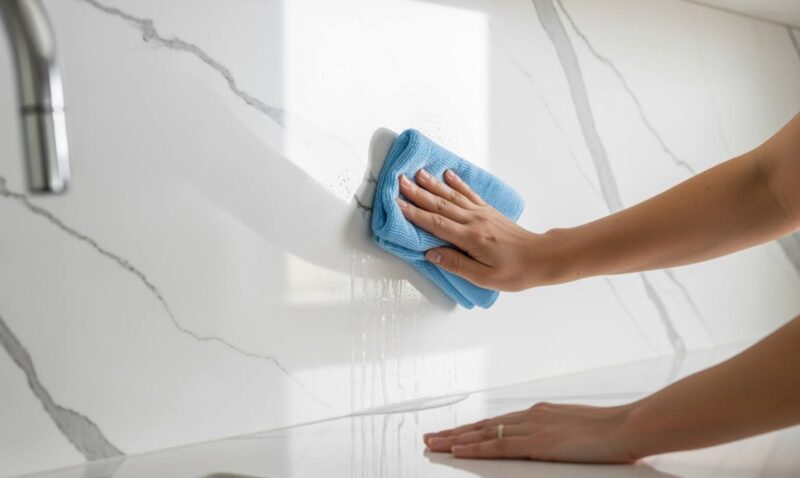
Apply with a spray bottle, gently scrub sticky spots with a soft sponge, rinse, and dry with a clean microfiber cloth to prevent water spots and restore shine.
Deep Cleaning and Restoring Shine
For stubborn grease or dullness, mix a paste of baking soda, water, and a few drops of dish soap. Apply, wait 10 minutes, gently rub with a damp sponge, then rinse thoroughly.
Buffing with a clean microfiber cloth can restore shine. For polished natural stones, a stone-specific polish may help. Always test in a hidden spot first.
Call a professional if your natural stone has severe staining, etching, deep scratches, or lost its finish—experts have the equipment to handle tough cleaning safely.
Tackling Tough Stains and Grimy Grout
Grease and Oil
Grease is the arch-nemesis of a white backsplash. For stubborn oil on natural stone, use a baking soda poultice: make a thick paste, cover with plastic wrap, and leave several hours or overnight. Rinse thoroughly afterward.
For lighter grease, a stone-safe degreaser works well. Always test new products on a hidden spot first.
Common Food Stains (Coffee, Wine, Tomato)
Blot spills immediately. For deeper stains on natural stone, use a material-specific poultice. For coffee or wine, a paste of hydrogen peroxide and baking soda can help. Apply, cover, wait 24 hours, then rinse.
Keeping White Grout Bright
Mix baking soda and water into a paste. Apply to grout, let sit 10 minutes, scrub gently with a soft toothbrush, and wipe clean. Seal grout lines to make future cleaning easier.
Common Mistakes and Proactive Care
Cleaning Mistakes That Can Damage Your Stone
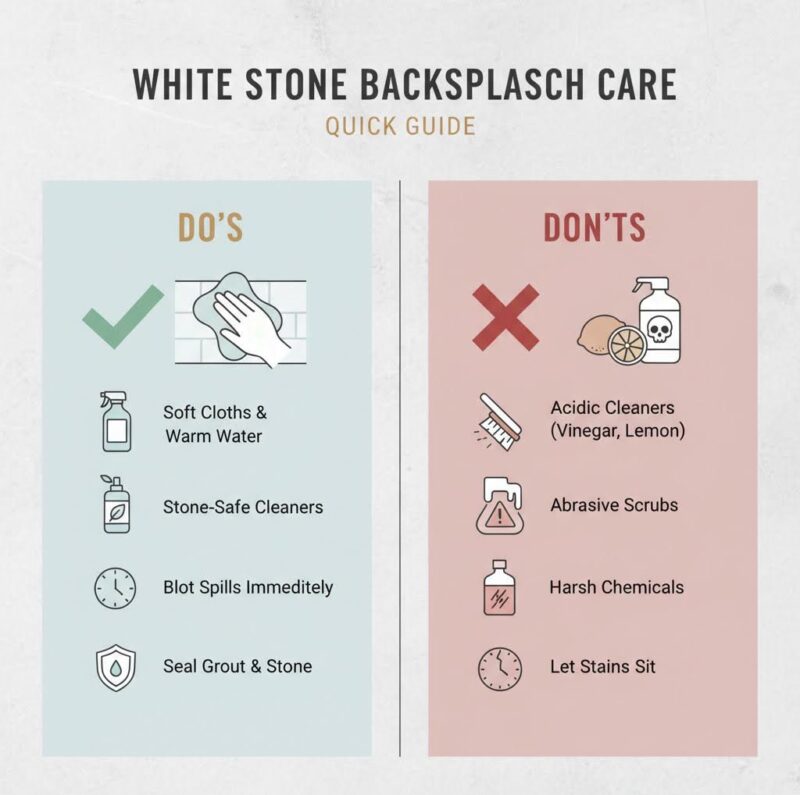
Avoid acidic cleaners, bleach, ammonia, and abrasive scrubbers. Always use soft microfiber cloths or soft-bristled brushes.
Preventing Stains
Sealing natural stone, using splatter guards, proper ventilation, and wiping spills immediately are the keys to lasting cleanliness.
Conclusion
Your white stone backsplash is a statement of elegance. Keeping it pristine requires understanding your material and consistent care.
Consistency matters: daily wipes, weekly cleaning with pH-neutral cleaners, and proactive prevention keep your backsplash sparkling.
At Your Bright Home – Cleaning Service in Chicago, IL, we help homeowners maintain clean, beautiful kitchens without risking damage to delicate surfaces. Your backsplash deserves to shine, and with the right care, it will.